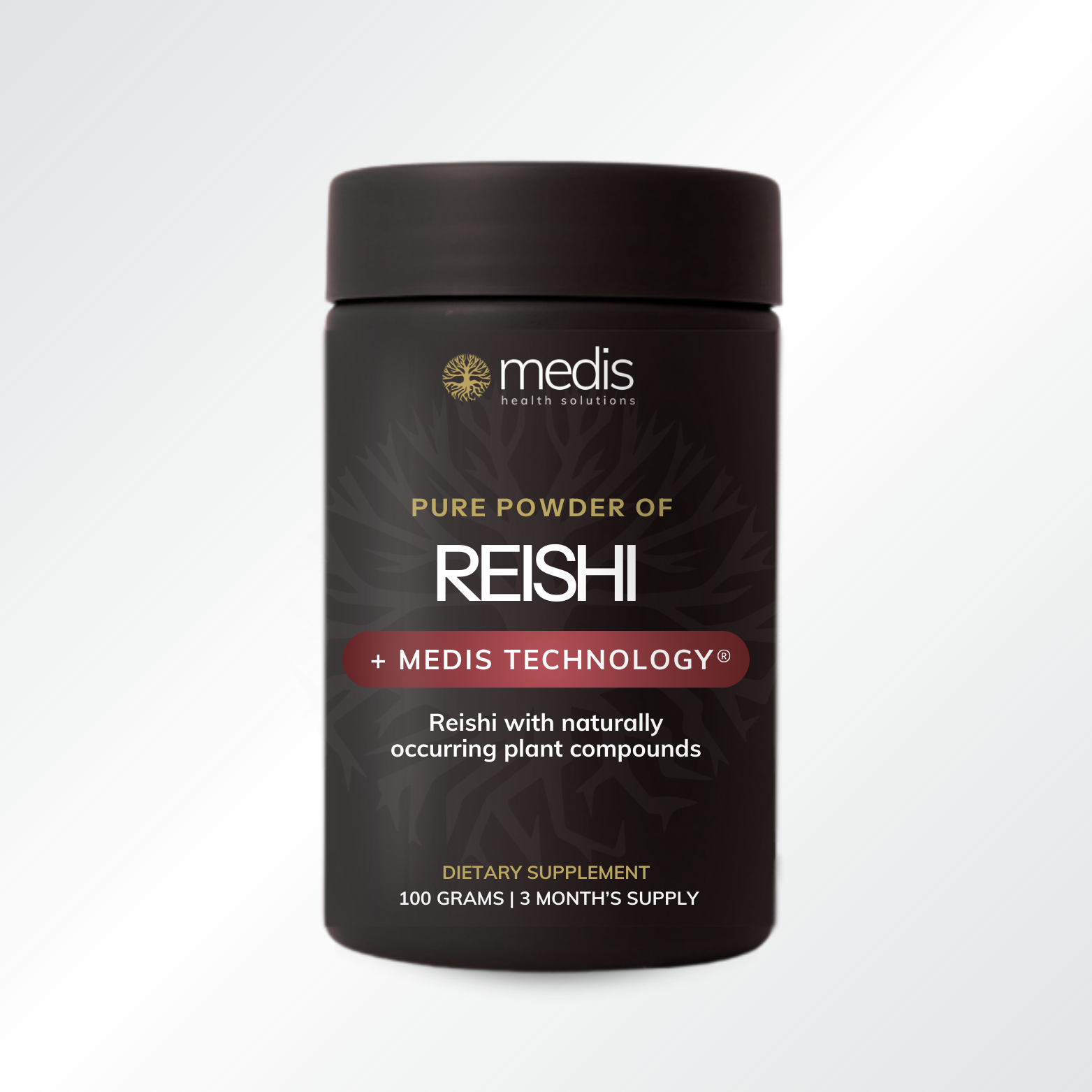
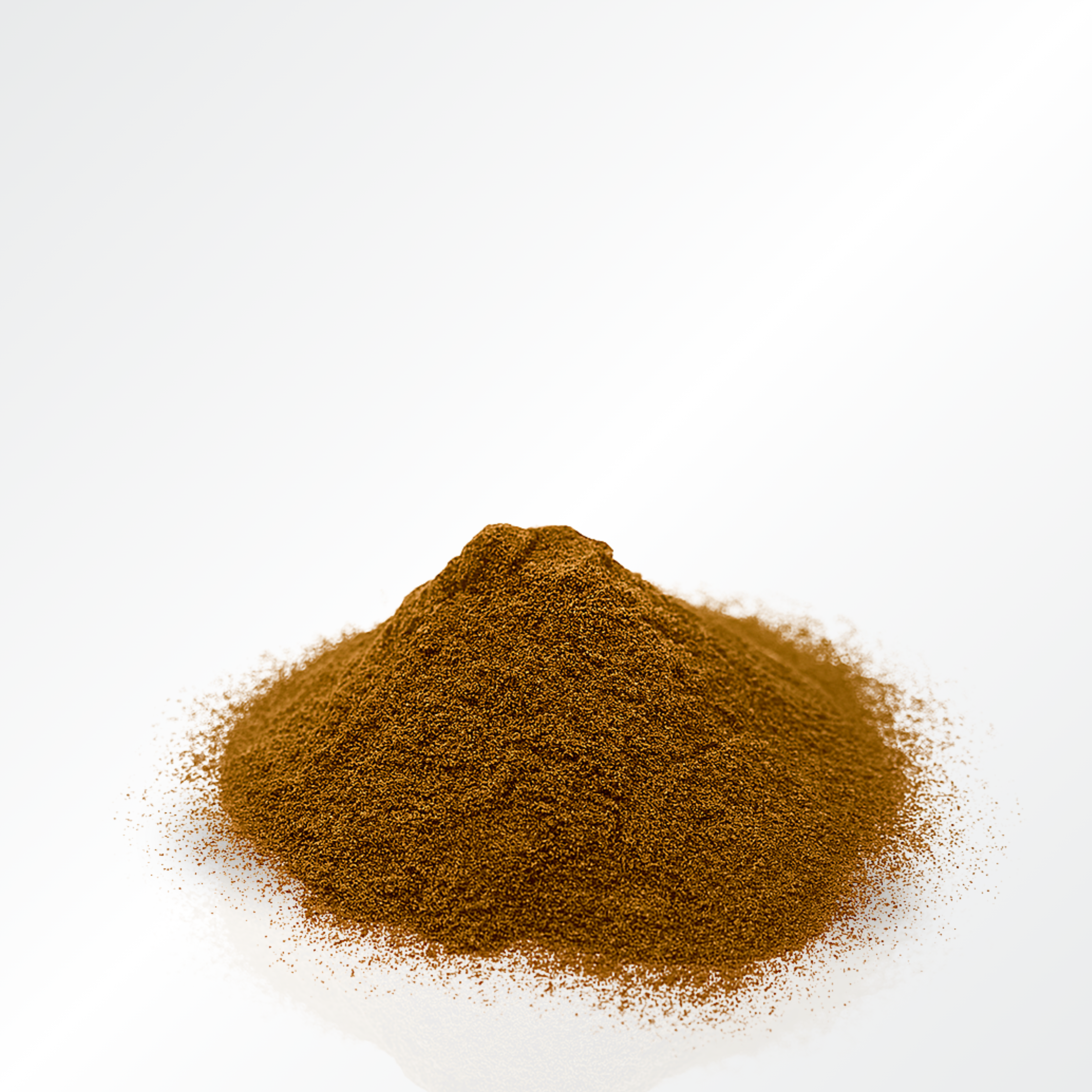
Reishi, often referred to as the “mushroom of calm,” has also been known throughout history as the “mushroom of immortality” and the “mushroom of longevity.” Cherished in traditional Eastern practices for centuries, it has been used to help the body adapt to stress, promote balance, and sustain vitality across all stages of life.
In many cultures - particularly in China, Japan, Korea, and Vietnam - Reishi has symbolized longevity and graceful aging, but can be used by anyone seeking restoration and harmony. Because of its calming and restorative qualities, it promotes steady energy, both mentally and physically.
It is naturally rich in beta-glucans - bioactive fibers that help regulate immune function and support the body’s natural defenses - and polysaccharides, complex carbohydrates that aid cellular energy, gut health, and antioxidant activity.
Reishi also contains triterpenes - a unique group of compounds known for their adaptogenic and anti-inflammatory properties, which help modulate the body’s stress response and support relaxation without sedation. These triterpenes also contribute to liver protection and improved circulation, promoting overall health.
Additionally, it provides B-vitamins (B1 and B2) essential for energy metabolism and nerve health, as well as vitamin C, which supports immunity and cellular protection. Potassium and magnesium contribute to muscle relaxation, nerve transmission, and stable energy.
Reishi’s unique synergy of beta-glucans, polysaccharides, and triterpenes makes it a true adaptogen - a natural substance that helps the body adapt to physical, mental, and emotional stress by promoting internal balance and steady energy. It supports the body’s ability to handle stress, maintain equilibrium, and cultivate resilience over time.